
Table of Contents
Malaysia’s tourism industry continues to demonstrate remarkable resilience and competitiveness. The country retained its position as Southeast Asia’s most visited destination, recording 21.12 million international visitor arrivals in the first half of 2026, reflecting strong momentum towards the aspirations of Visit Malaysia Year 2026.
Tourism, however, is ultimately a people-driven industry. Attractions may draw visitors to a destination, but it is the quality of service, authentic experiences, and human interactions that shape lasting impressions. Behind every memorable tourism experience are skilled professionals, from hotel associates and tour guides to restaurateurs and chefs.
One of Malaysia’s greatest tourism strengths is undoubtedly its food.
Our culinary heritage reflects the diversity of the nation, bringing together Malay, Chinese, Indian, and Indigenous influences into a uniquely Malaysian experience. From nasi lemak and satay to laksa and banana leaf rice, food often becomes one of the most memorable highlights of a visitor’s journey.
This makes culinary tourism a powerful economic and cultural asset. Travellers today are increasingly seeking authentic experiences that connect them with local cultures and communities. Food has become a key driver of destination choice while preserving heritage and supporting local economies.
The impact is substantial. Food and beverage services contributed RM47.7 billion, representing 16.3% of Malaysia’s tourism revenue, highlighting the sector’s role in driving tourism growth, employment, and business opportunities.
Yet sustaining this growth requires more than infrastructure, promotional campaigns, and even food. It requires a steady pipeline of skilled and industry-ready talent.
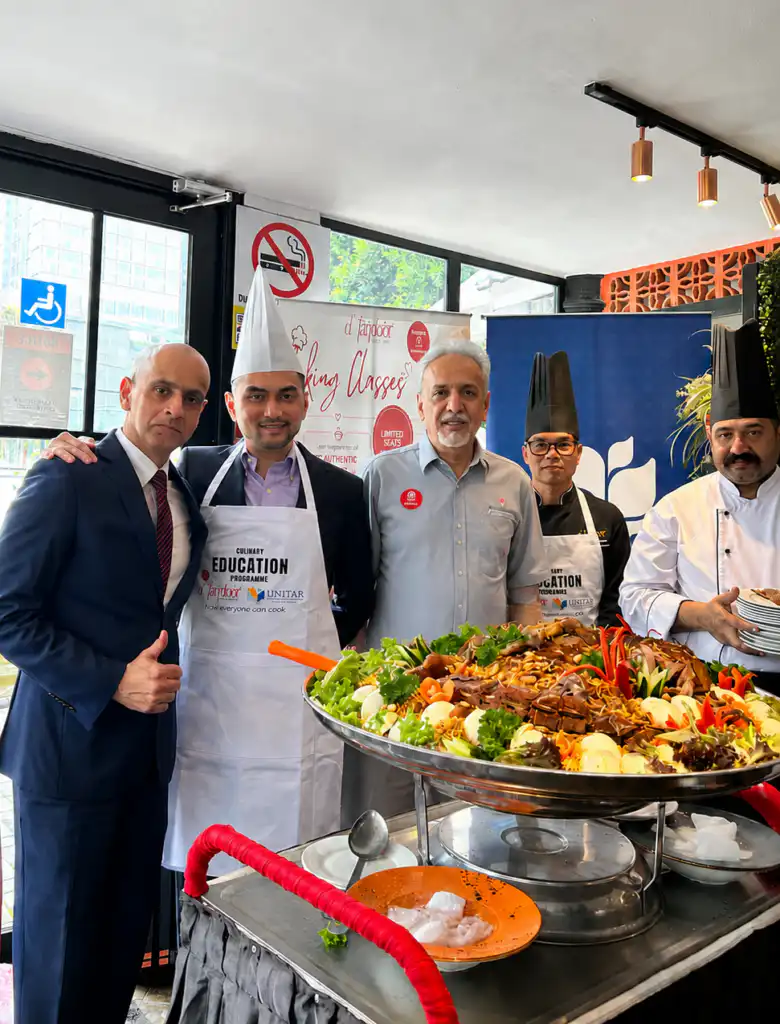
This was among the key themes discussed during a recent engagement involving the Ministry of Human Resources, D’Tandoor Group of Restaurants, and UNITAR University College Kuala Lumpur. The conversation reflected a shared recognition that addressing workforce needs requires closer collaboration between government, industry and academia.
Each stakeholder brings a unique perspective. We are encouraged by the support and engagement of the Ministry of Human Resources in efforts to strengthen skills development, workforce readiness, and employability. Industry leaders such as D’Tandoor provide practical insights into workforce requirements, operational realities, and workplace learning opportunities. Academic institutions contribute by preparing learners with relevant knowledge, skills, and professional competencies.
Such collaboration is increasingly important as the hospitality and tourism industries evolve. Stronger partnerships help ensure education remains aligned with industry needs while creating pathways for internships, apprenticeships, work-based learning, and career development. More importantly, they help equip graduates with both technical capabilities and workplace-ready skills.
As Malaysia strengthens its position as a regional tourism leader, success should be measured not only through visitor arrivals and tourism receipts, but also by the quality of jobs created and the strength of the workforce supporting the sector.
Ultimately, visitors may come for Malaysia’s attractions and food, but they return because of the people they encounter along the way. By strengthening collaboration between government, industry, and academia, Malaysia can continue developing the talent needed to support tourism growth, enhance employability, and strengthen the nation’s competitiveness for years to come.
Dr Jagdeep Singh Jassel is Vice Chancellor and Chief Executive of UNITAR University College Kuala Lumpur. His career spans the hospitality, manufacturing, and higher education sectors, with leadership roles in Malaysia and abroad. He advocates stronger government-industry-academia partnerships to develop future-ready talent, enhance employability, and support national workforce priorities.
References
- Tourism Malaysia. Tourist arrivals and tourism performance updates.
- Sarawak Tribune. Tourism Ministry ramps up efforts to meet Visit Malaysia 2026 goals.
- World Bank Data. International tourism receipts: Malaysia .
- Department of Statistics Malaysia (DOSM). Various tourism and economic statistics.
- The Edge Malaysia. Malaysia’s economic outlook and Budget-related developments.
- Food and Agriculture Organization of the United Nations. World Food Day.
- Landco Malaysia. Tax incentives for tour operators.
- Worldchefs. International Chefs Day.
Media Contact
Josephine Dionisappu,
Head of Corporate Communications
UNITAR Education Group,
ym.ratinuobfsctd-39ae5a@uppasinoid.enihpesoj,
